In recent years, the educational landscape for preschoolers has evolved significantly. One of the most notable shifts is the move away from traditional worksheets in preschool settings. This change is driven by a growing understanding of how young children learn best—through play, exploration, and hands-on activities. As educators and parents seek to foster a love for learning in their children, the absence of worksheets in preschool has become a topic of discussion.
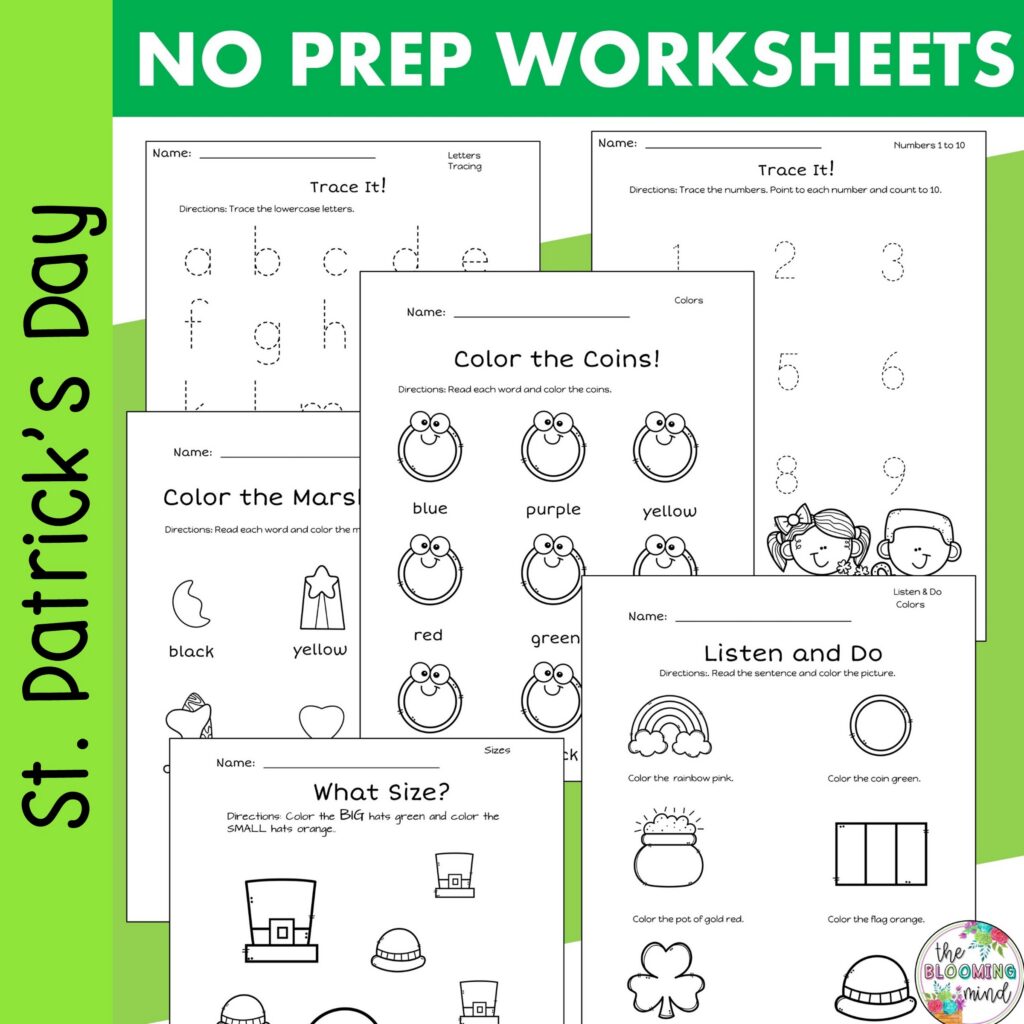
No Worksheets In Preschool
Understanding the Shift Away from Worksheets
The traditional use of worksheets in preschool often emphasizes rote learning and memorization. However, research shows that young children thrive in environments that promote active engagement and creativity. By eliminating worksheets, educators can focus on interactive learning experiences that cater to diverse learning styles.
Preschool programs are increasingly incorporating play-based learning, which allows children to explore concepts through activities that are both fun and educational. This approach not only enhances cognitive development but also supports social skills as children collaborate and communicate with their peers.
The Benefits of No Worksheets in Preschool
One significant benefit of not using worksheets is the promotion of critical thinking skills. Without the constraints of fill-in-the-blank or multiple-choice questions, children are encouraged to ask questions, solve problems, and think independently. This fosters a deeper understanding of concepts rather than surface-level memorization.
Additionally, without worksheets, teachers can create a more dynamic classroom environment. Activities such as art projects, storytelling, and outdoor exploration allow for a richer educational experience. Children are more likely to retain information when they are actively involved in their learning process.
How Parents Can Support No Worksheets Philosophy
Parents play a crucial role in supporting the no worksheets philosophy at home. Engaging children in everyday activities—such as cooking, gardening, or visiting museums—can reinforce learning without the need for traditional worksheets. These experiences provide practical applications of concepts learned in preschool.
Moreover, parents can encourage open-ended play at home. Providing materials like blocks, art supplies, and books allows children to explore their interests freely. This type of play not only nurtures creativity but also builds essential problem-solving skills that will benefit them throughout their educational journey.
Download No Worksheets In Preschool
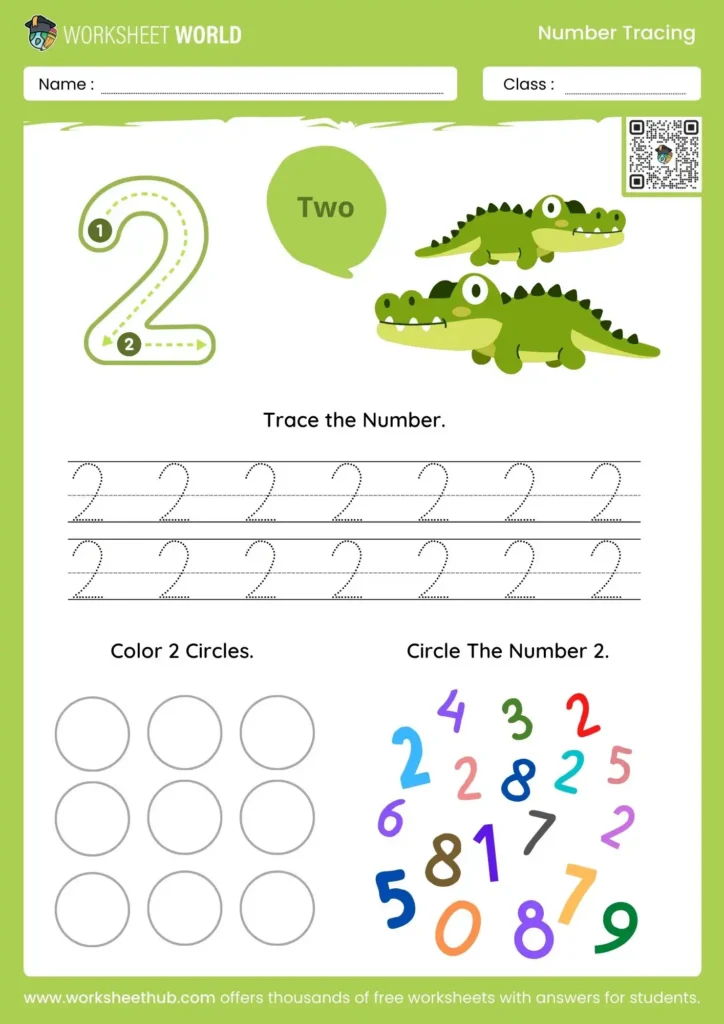
No 2 Preschool Number Tracing Worksheets
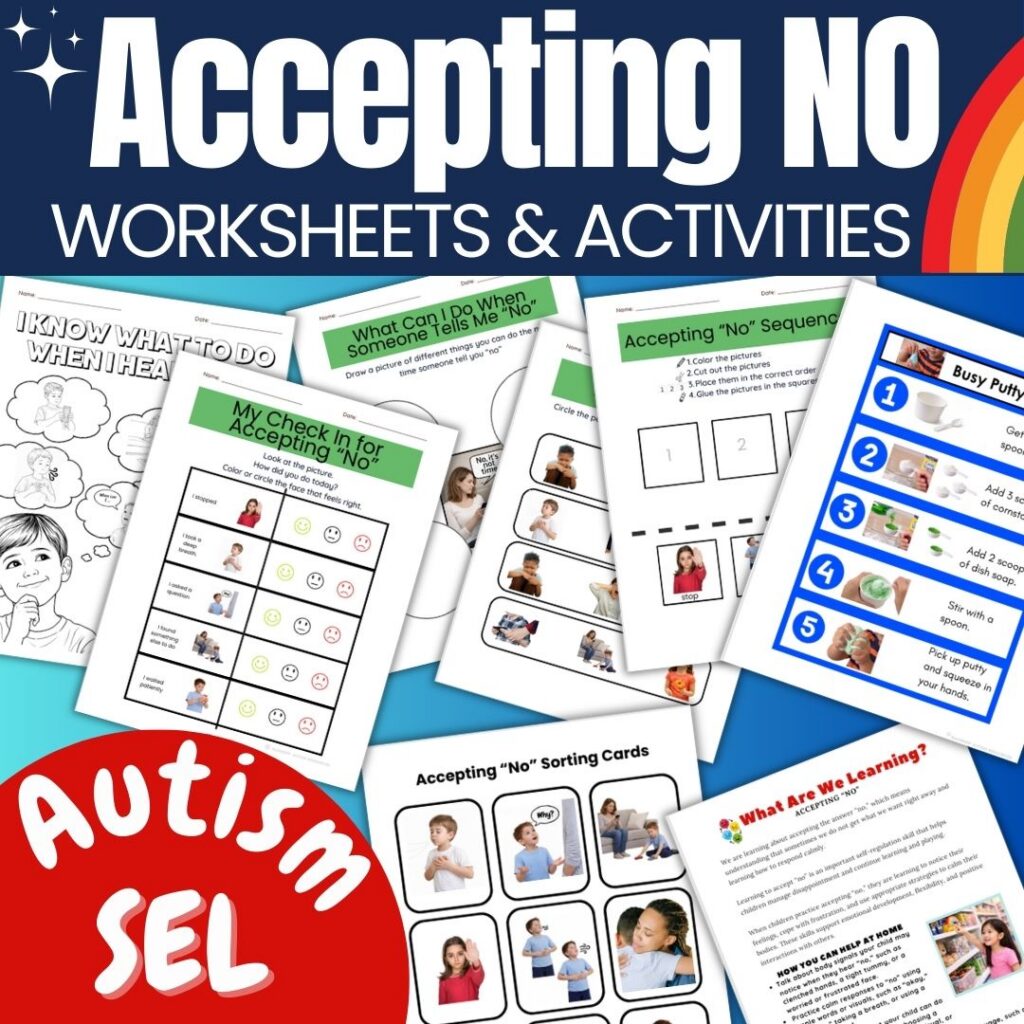
Asking For A Break When Upset Worksheets Activities Autism Prek Social Skills