Line tracing is an essential activity for preschool children, helping them develop fine motor skills and hand-eye coordination. This engaging exercise not only aids in the physical development of young learners but also enhances their cognitive abilities. By following lines, children learn to focus, improve their concentration, and gain confidence in their writing skills.
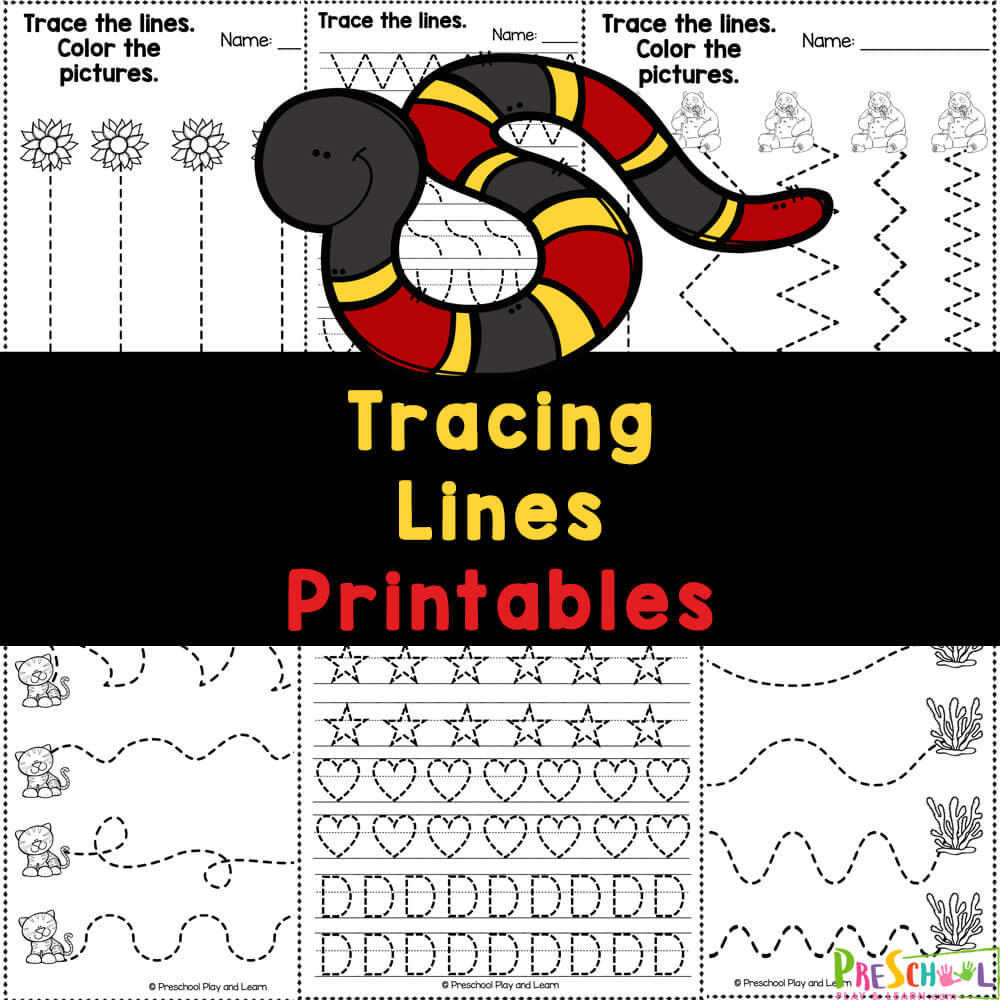
Line Tracing For Pre K
Benefits of Line Tracing for Pre K
Line tracing offers numerous benefits for preschool-aged children. Firstly, it helps improve fine motor skills, which are crucial for tasks such as writing, drawing, and even self-care activities like buttoning shirts. As children practice tracing lines, they develop better control over their hand movements, leading to improved dexterity.
Secondly, line tracing enhances cognitive development by encouraging problem-solving and critical thinking. Children learn to recognize patterns and shapes while following lines, which lays the foundation for future learning in mathematics and literacy. This combination of physical and mental growth makes line tracing a vital component of early childhood education.
Creative Line Tracing Activities
To keep children engaged, it’s essential to incorporate creative line tracing activities into their learning routine. One popular method is using themed worksheets that feature various objects or animals. For example, worksheets with a train track or a winding river can make the activity more exciting and relatable for young learners.
Another fun activity involves using sensory materials such as sand or finger paint for line tracing. Children can trace lines in these materials using their fingers or small tools, providing a tactile experience that reinforces learning. These creative approaches not only make line tracing enjoyable but also cater to different learning styles.
Tips for Effective Line Tracing
When implementing line tracing activities, it’s important to provide clear instructions and demonstrate the task first. Children often learn best through observation, so showing them how to trace a line correctly can significantly enhance their understanding. Additionally, using colorful markers or crayons can make the activity more appealing.
Lastly, offering positive reinforcement is crucial in encouraging children to practice line tracing regularly. Praise their efforts and celebrate their progress to build confidence and motivation. By creating a supportive environment, children will be more likely to embrace line tracing as a fun and beneficial part of their learning journey.
Download Line Tracing For Pre K
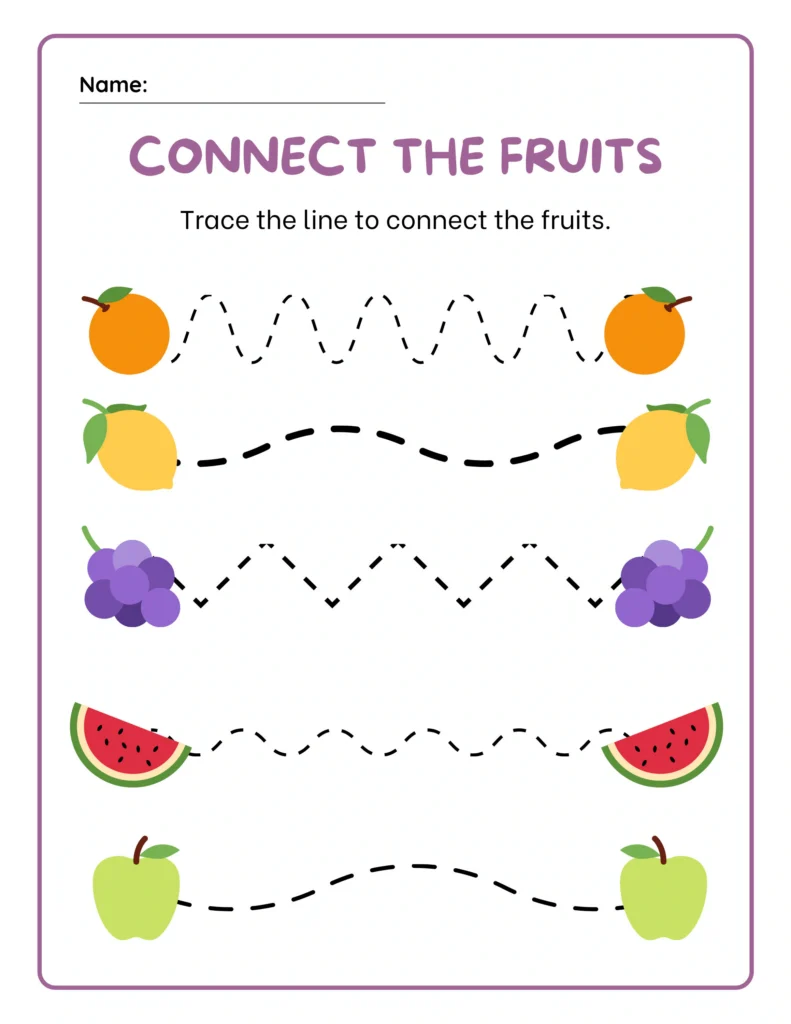
2 Printable Preschool Tracing Worksheets
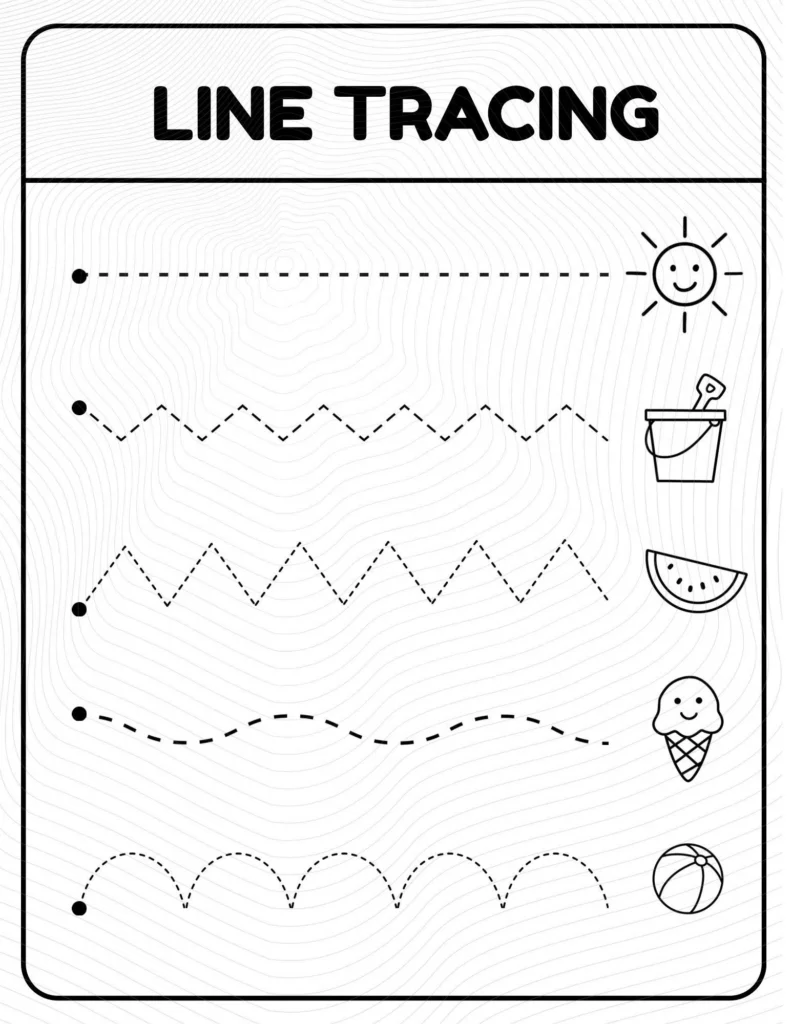
Printable Summer Line Tracing Preschool