Creating a learning binder filled with the best printable preschool worksheets can significantly enhance your child’s early education experience. These worksheets not only provide structured learning opportunities but also make it easy for parents and educators to track progress and engage children in various subjects. In this article, we will explore effective ways to utilize printable worksheets, the skills they develop, and how to create an engaging learning binder for preschoolers.
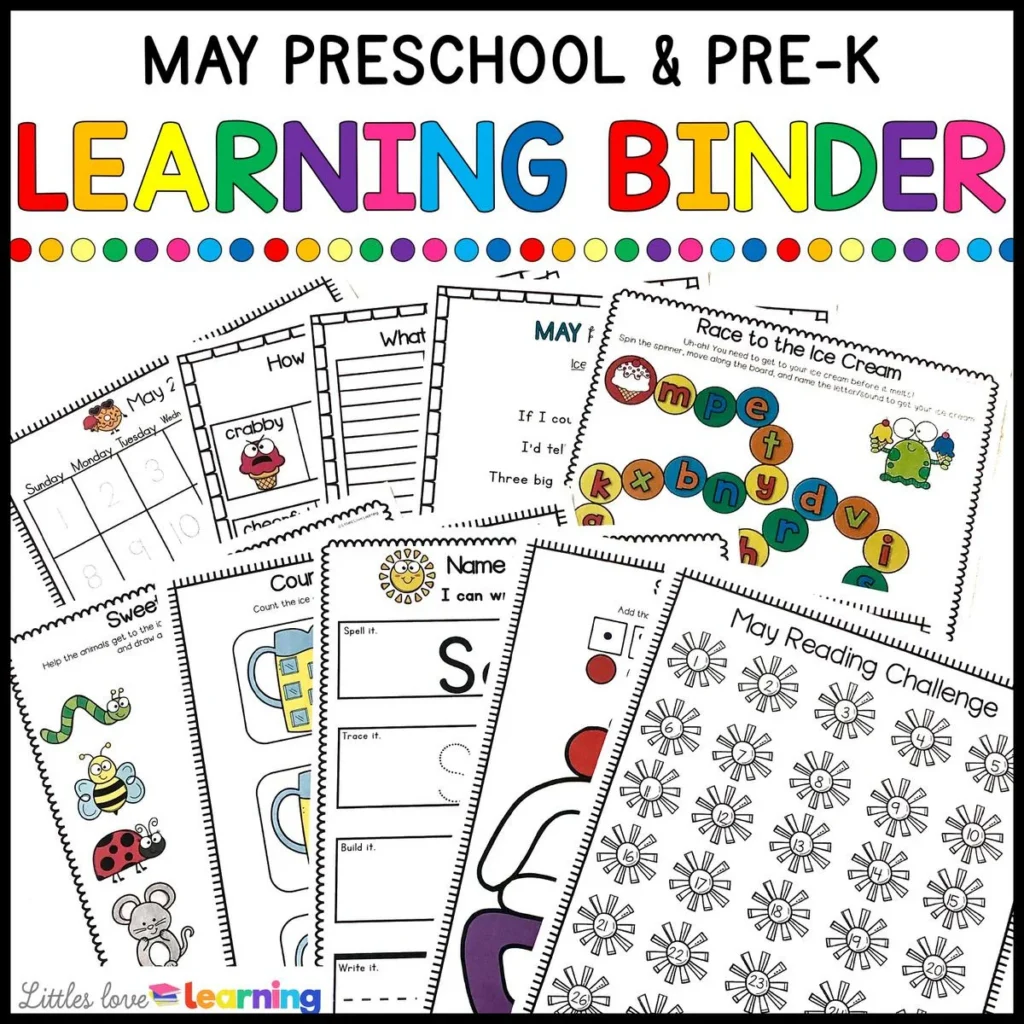
Best Printable Preschool Worksheets Learning Binder
What Children Learn with Printable Worksheets
Printable worksheets serve as versatile tools that can help preschool children develop a range of essential skills. Here are some key areas of learning:
- Fine Motor Skills: Activities like tracing, cutting, and coloring improve hand-eye coordination and dexterity.
- Literacy Skills: Worksheets focusing on letter recognition, phonics, and vocabulary enhance early reading abilities.
- Numeracy Skills: Counting worksheets help children understand numbers, one-to-one correspondence, and basic math concepts.
- Critical Thinking: Puzzles and matching games encourage problem-solving and logical reasoning.
- Creativity: Art-related worksheets foster imaginative expression through drawing and coloring activities.
Types of Printable Worksheets for Preschoolers
The best printable preschool worksheets come in various formats to cater to different learning styles. Here are some popular types:
- Tracing Worksheets: Help children practice letter and number formation.
- Coloring Pages: Encourage creativity while reinforcing color recognition.
- Counting Worksheets: Focus on number recognition and counting objects.
- Puzzles and Games: Engage children in fun activities that promote critical thinking.
- Story Sequencing Cards: Develop narrative skills by arranging events in order.
Creating an Engaging Learning Binder
A well-organized learning binder can make using printable worksheets more enjoyable for preschoolers. Follow these steps to create an engaging binder:
- Select a Variety of Worksheets: Choose worksheets that cover different subjects such as math, literacy, science, and art.
- Organize by Theme or Skill: Group worksheets by themes (e.g., animals, seasons) or skills (e.g., counting, letter recognition) for easy access.
- Add Interactive Elements: Include pockets for stickers or small rewards to motivate children as they complete each worksheet.
- Use Sheet Protectors: Place worksheets in sheet protectors to allow for dry-erase use, making them reusable.
- Create a Cover Page: Design a colorful cover page that reflects your child’s interests to personalize the binder.
How to Introduce Worksheets Effectively
The way you introduce printable worksheets can greatly impact your child’s engagement. Here are some strategies to consider:
- Make It Fun: Present the worksheet as a game or challenge rather than a chore. Use playful language to spark interest.
- Demos First: Show your child how to complete a worksheet by doing a sample together before they try it independently.
- Praise Efforts: Celebrate small achievements to build confidence and encourage persistence.
- Create a Routine: Establish a consistent time for worksheet activities to help children anticipate and look forward to them.
Tips for Maximizing Learning Outcomes
To ensure that your child benefits fully from printable worksheets, consider these tips:
- Differentiation: Adjust the difficulty level of worksheets based on your child’s skill level. Provide simpler tasks for beginners and more complex ones for advanced learners.
- Incorporate Hands-On Activities: Pair worksheets with hands-on activities like counting physical objects or crafting related art projects.
- Create a Reward System: Use stickers or small rewards as incentives for completing worksheets to motivate your child further.
- Monitor Progress: Regularly review completed worksheets together to discuss what was learned and areas that may need more practice.
Avoiding Common Mistakes
A few common pitfalls can hinder the effectiveness of using printable worksheets. Here’s how to avoid them:
- Pushing Too Hard: Avoid overwhelming your child with too many worksheets at once; focus on quality over quantity.
- Lack of Variety: Ensure you include diverse types of activities to keep your child engaged and prevent boredom.
- Ineffective Feedback: Provide constructive feedback rather than just praise; guide your child on how they can improve their work.
Frequently Asked Questions
What age is appropriate for using printable preschool worksheets?
The best age range for using these worksheets is typically 3-5 years old, as they align with preschool learning objectives.
Aren’t worksheets too rigid for young learners?
No! When used creatively alongside hands-on activities, worksheets can complement play-based learning effectively.
How can I print these worksheets effectively?
You can print on standard US Letter or A4 paper using color or black-and-white settings based on the worksheet design. Using sheet protectors allows for reuse with dry-erase markers.
Can I adapt these worksheets for different skill levels?
Certainly! You can modify tasks by simplifying instructions or providing additional support based on your child’s needs.
How do I keep my child motivated with these activities?
Create a reward system, incorporate fun themes, and regularly change the types of activities to maintain interest and excitement!
Taking the Next Steps in Your Child’s Learning Journey
Download Best Printable Preschool Worksheets Learning Binder
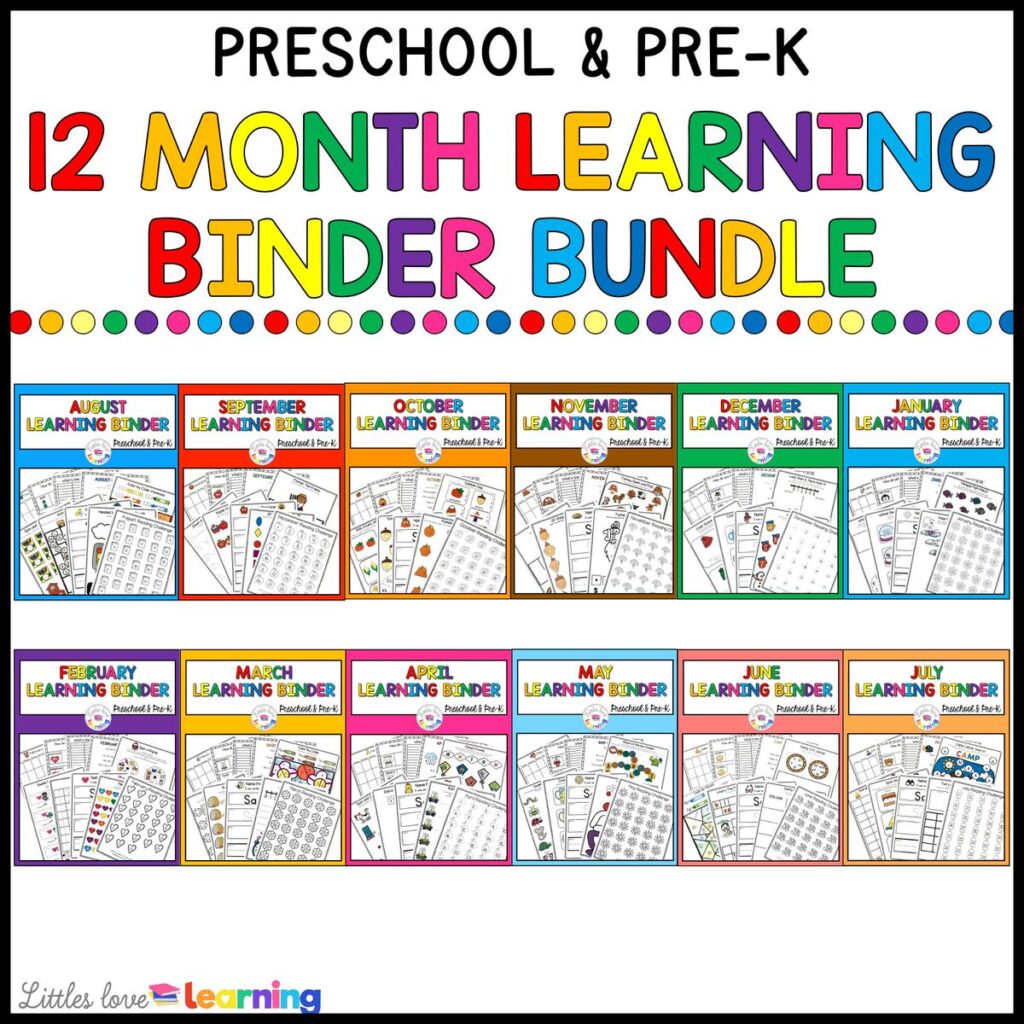
Learning Binder Bundle
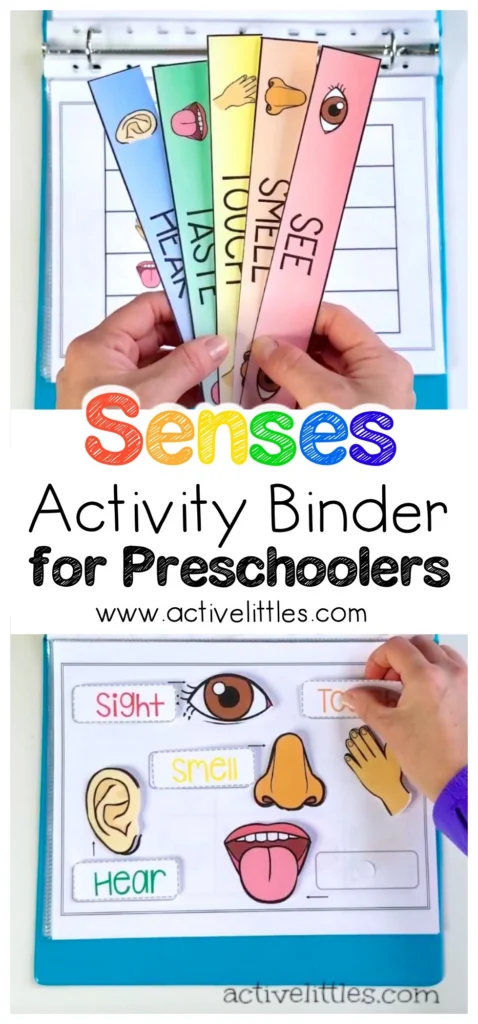
Senses Activity Binder Printable For Early Learning