Introducing preschoolers to letter tracing is a delightful way to enhance their early literacy skills. Age 3 printable worksheets that focus on tracing letters not only help children recognize letters but also develop their fine motor skills and hand-eye coordination. In this article, we will explore various types of tracing worksheets, effective teaching strategies, and creative ways to incorporate these activities into your preschool routine.
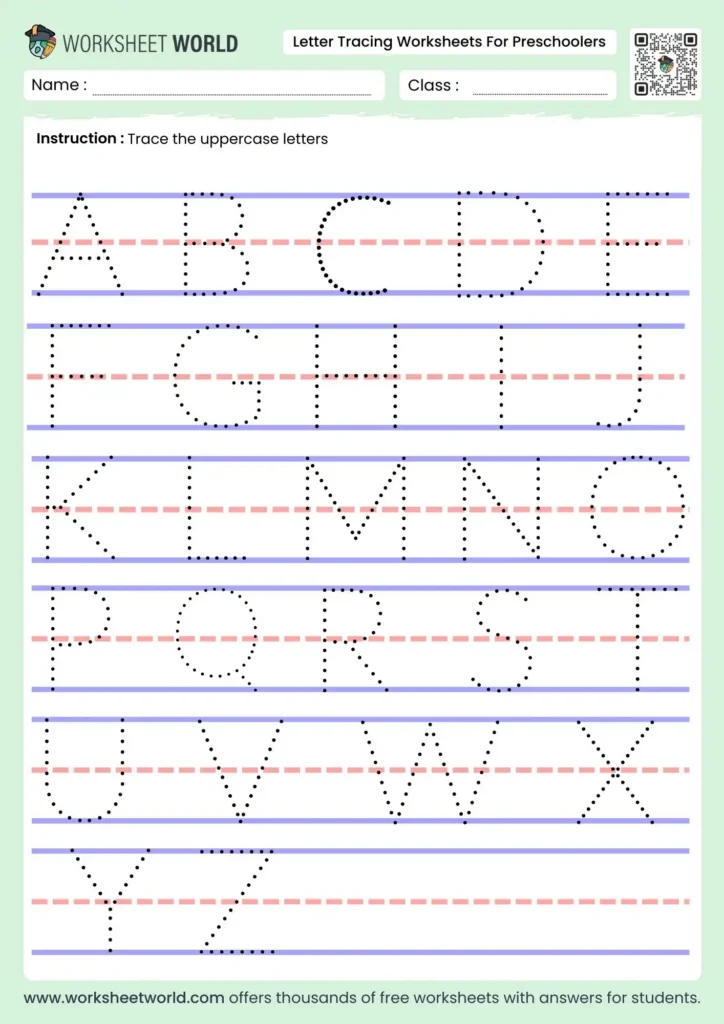
Age 3 Printable Worksheets Trace Letters
Understanding the Importance of Letter Tracing
Letter tracing is a foundational skill that supports early literacy development. Here are some key benefits:
- Letter Recognition: Tracing helps children identify both uppercase and lowercase letters.
- Pencil Control: It encourages proper grip and control of writing instruments.
- Fine Motor Skills: Tracing enhances dexterity and coordination in young hands.
- Pre-Writing Skills: It lays the groundwork for future writing abilities.
Types of Age 3 Printable Worksheets for Tracing Letters
There are several engaging formats for letter tracing worksheets suitable for age 3 learners:
- Single Letter Tracing: Focus on one letter at a time, allowing children to practice repeatedly.
- Letter with Pictures: Include images that start with the traced letter, reinforcing sound-letter connections.
- Uppercase and Lowercase Variations: Provide worksheets that feature both forms of each letter for comprehensive practice.
- Dotted Line Tracing: Use dotted lines to guide children in forming letters correctly.
How to Introduce Letter Tracing Activities
Introducing letter tracing can be a fun and interactive experience. Here’s how to get started:
- Create a Comfortable Space: Set up a quiet area with good lighting and comfortable seating.
- Select Appropriate Worksheets: Choose worksheets that match your child’s skill level and interest.
- Demonstrate First: Show your child how to trace a letter using your finger or a pencil before they begin.
- Encourage Exploration: Allow them to experiment with different colors and styles of writing tools.
Engaging Activities Using Letter Tracing Worksheets
To make the most of tracing worksheets, consider incorporating these engaging activities:
- Sensory Tracing: Use sand or rice on a tray for children to trace letters with their fingers before using a pencil.
- Artistic Expression: After tracing, encourage children to decorate the letters with stickers or drawings related to the letter’s sound.
- Puppet Play: Create puppets representing the letters and have them “talk” about words that start with those letters.
Tips for Supporting Reluctant Learners
If your child shows reluctance towards tracing activities, try these supportive strategies:
- Short Sessions: Keep practice sessions brief (5-10 minutes) to maintain interest without overwhelming them.
- Praise Efforts: Celebrate small achievements to build confidence and motivation.
- Create a Routine: Incorporate tracing into daily routines, such as during snack time or before bedtime.
Common Mistakes to Avoid When Teaching Letter Tracing
Avoid these common pitfalls when introducing letter tracing activities:
- Pushing Too Hard: Allow children to progress at their own pace; pressure can lead to frustration.
- Lack of Variety: Use different types of worksheets and activities to keep learning fresh and exciting.
- Ineffective Feedback: Provide constructive feedback rather than criticism; focus on what they did well.
Monitoring Progress in Letter Tracing Skills
Tracking your child’s progress can help you understand their development. Here are some indicators of improvement:
- Cohesion in Letter Formation: Look for consistent shapes and sizes in their traced letters over time.
- Pencil Grip Improvement: Notice if they are holding the pencil more comfortably and effectively as they practice.
- Eagerness to Practice: Increased willingness to engage in tracing activities can indicate growing confidence and interest.
The Role of Parents and Educators in Letter Tracing
The involvement of parents and educators is crucial in fostering a love for learning. Here are some ways you can support this journey:
- Create a Positive Environment: Ensure that learning spaces are inviting and free from distractions.
- Select Quality Resources: Use high-quality printable worksheets that are visually appealing and age-appropriate.
- Cultivate Curiosity: Encourage questions about letters, sounds, and words during tracing activities.
Your Next Steps for Effective Learning
The journey of teaching letter tracing can be both rewarding and enjoyable. Start by selecting age 3 printable worksheets tailored for tracing letters, introduce them through engaging methods, and monitor progress regularly. With patience and creativity, you can help preschoolers develop essential literacy skills while having fun!
Frequently Asked Questions
What age is appropriate for starting letter tracing?
Ages 3-4 are ideal for introducing letter tracing as children begin developing fine motor skills and letter recognition.
How can I make tracing more fun?
Add sensory elements like sand or use colorful markers. Incorporating art projects related to each letter can also enhance engagement.
Aren’t printable worksheets too repetitive?
No, when varied appropriately, they can
Download Age 3 Printable Worksheets Trace Letters
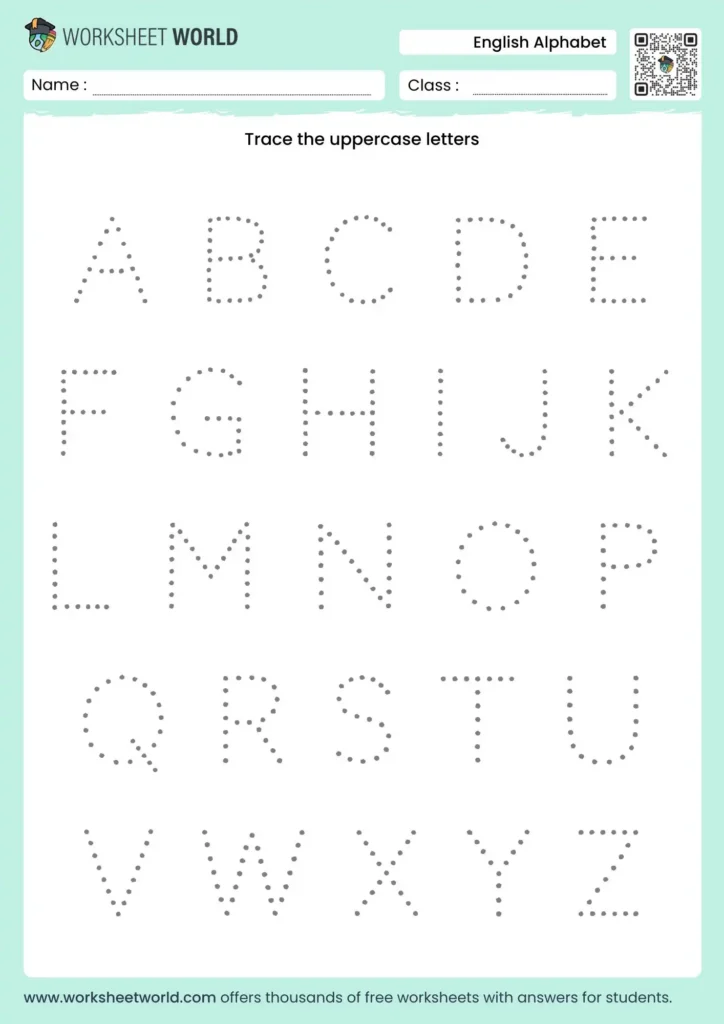
Free Alphabet Writing Practice Worksheets Pdf For Kids
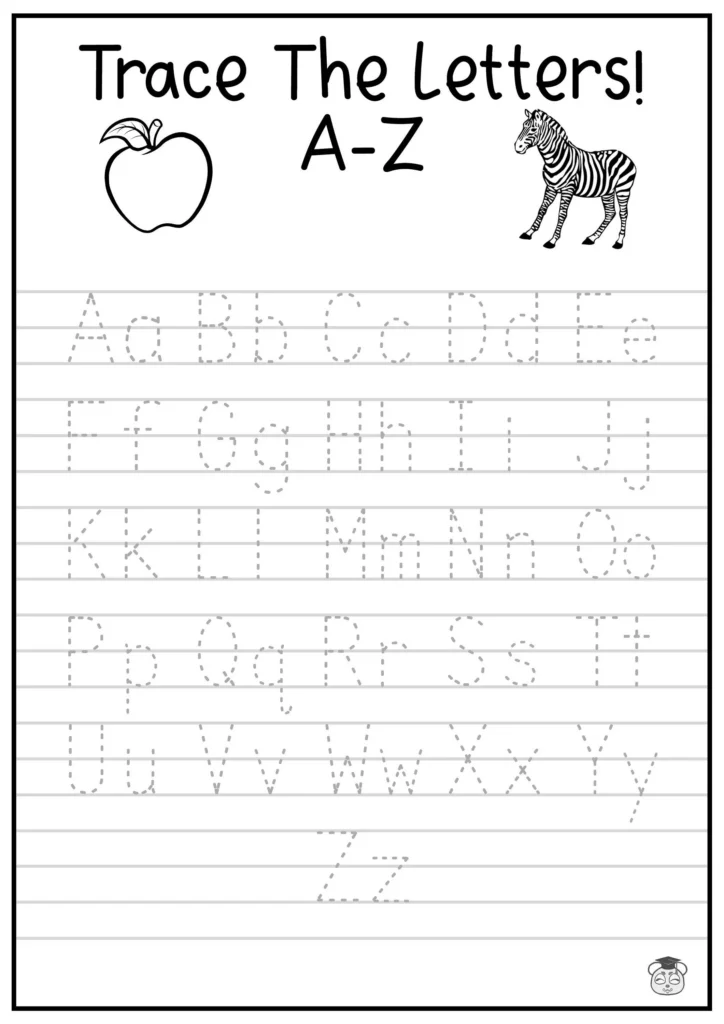
Printable A Z Letter Tracing Worksheet