Tracing paper is an essential tool for preschool educators and parents looking to enhance their children’s fine motor skills and creativity. This versatile medium allows young learners to practice drawing, writing, and even coloring while developing hand-eye coordination. In this article, we will explore the benefits of tracing paper for preschoolers, how to effectively use it in educational settings, and tips for selecting the right type of tracing paper.
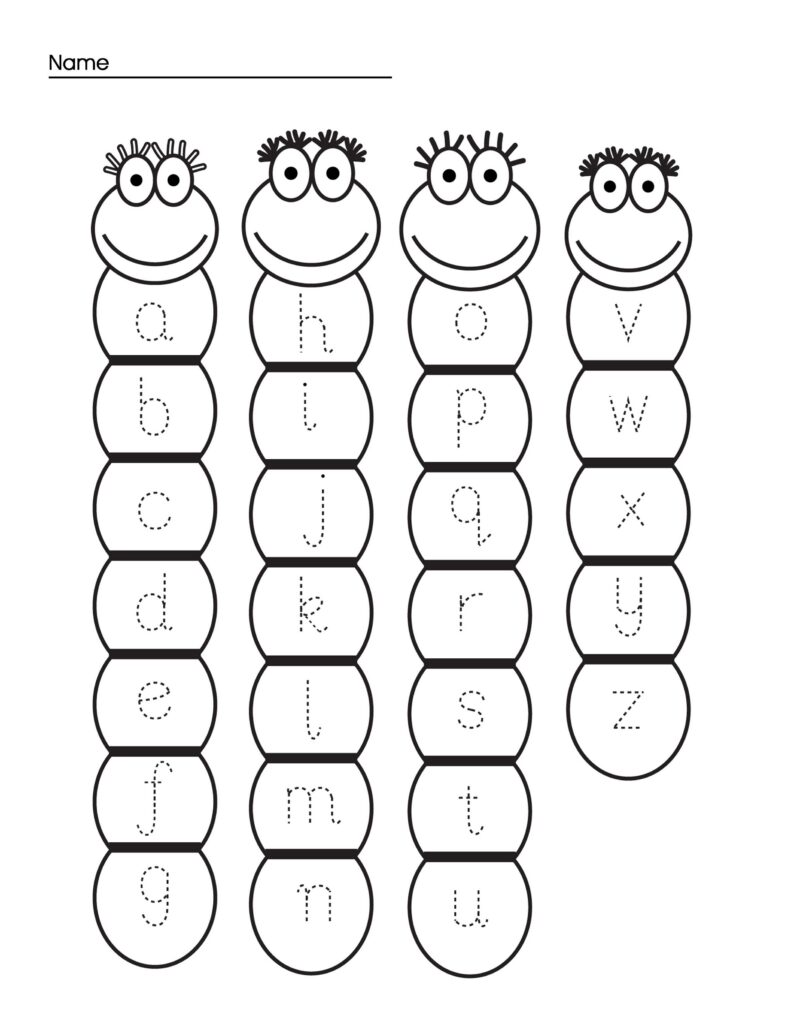
Tracing Paper For Preschool
Benefits of Tracing Paper for Preschoolers
Tracing paper provides numerous advantages for preschool-aged children. Firstly, it helps improve fine motor skills by allowing kids to practice their grip and control as they trace shapes and letters. This foundational skill is crucial for later writing and drawing tasks. Secondly, tracing encourages creativity and self-expression, as children can experiment with different designs and colors while gaining confidence in their artistic abilities.
Moreover, tracing paper can be used to introduce basic concepts such as shapes, numbers, and letters in a fun and engaging way. By tracing these elements, children reinforce their recognition and understanding of them. This hands-on approach makes learning enjoyable and memorable, setting the stage for future academic success.
How to Use Tracing Paper in Educational Settings
Incorporating tracing paper into preschool activities can be simple and effective. Educators can create worksheets featuring various shapes, letters, or images for children to trace. These worksheets can be tailored to different skill levels, ensuring that all children are challenged appropriately. Additionally, using tracing paper during art projects allows children to layer their drawings or create unique designs by tracing over existing images.
Parents can also utilize tracing paper at home to support their child’s learning. Setting up a dedicated art station with tracing materials encourages creativity and independent exploration. Simple activities like tracing family members’ names or favorite animals can make learning personal and relatable, fostering a deeper connection to the material.
Selecting the Right Tracing Paper
When choosing tracing paper for preschoolers, it’s essential to consider factors such as thickness, texture, and transparency. Thicker papers are more durable and can withstand repeated use without tearing easily. A smooth texture is ideal for easy pencil or crayon application, while a certain level of transparency allows children to see the images or letters they are tracing clearly.
Additionally, consider the size of the tracing paper sheets. Larger sheets provide ample space for young artists to work freely without feeling constrained. Lastly, look for non-toxic materials to ensure safety during use. By selecting the right tracing paper, parents and educators can create a positive learning experience that nurtures creativity and skill development in preschoolers.
Download Tracing Paper For Preschool
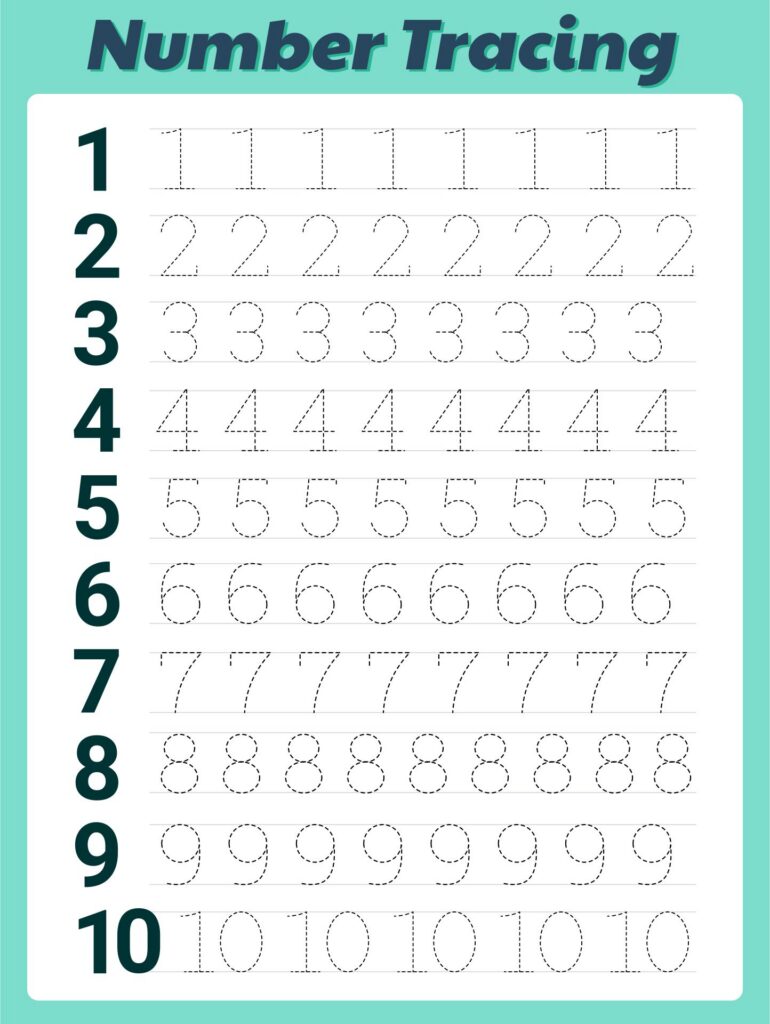
Post Free Printable Tracing Paper 180838
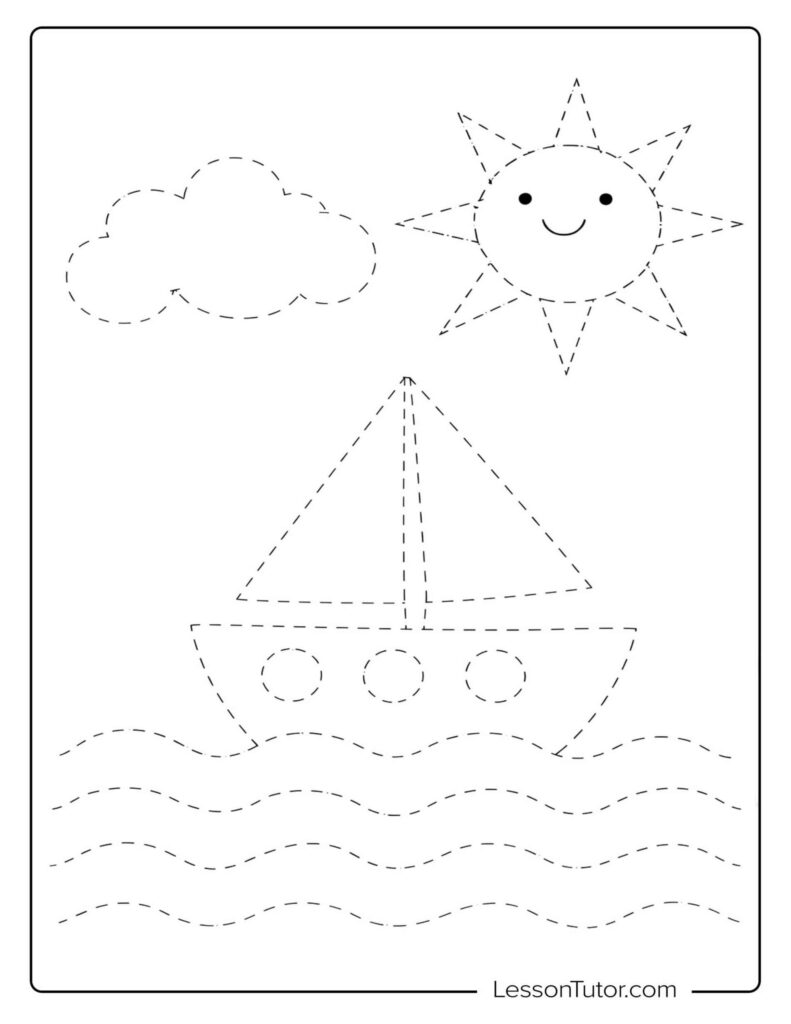
Preschool Tracing Worksheets