Kindergarten is a crucial time for children to develop foundational skills, especially in literacy. One effective way to support this learning is through engaging worksheets that focus on letters. Kindergarten worksheets for letters not only help children recognize and write letters but also make learning fun and interactive. In this article, we will explore the benefits of using these worksheets, types of activities available, and tips for parents and educators.
Kindergarten Worksheets For Letters
Benefits of Kindergarten Worksheets for Letters
Using kindergarten worksheets for letters provides numerous benefits for young learners. Firstly, these worksheets enhance letter recognition, which is essential for reading development. By practicing with various activities, children become familiar with both uppercase and lowercase letters, laying the groundwork for future literacy skills.
Secondly, these worksheets often incorporate fun themes and illustrations that capture children’s attention. This engagement encourages them to practice more frequently, making learning enjoyable. As a result, children are more likely to retain information and develop a positive attitude towards reading and writing.
Types of Activities in Letter Worksheets
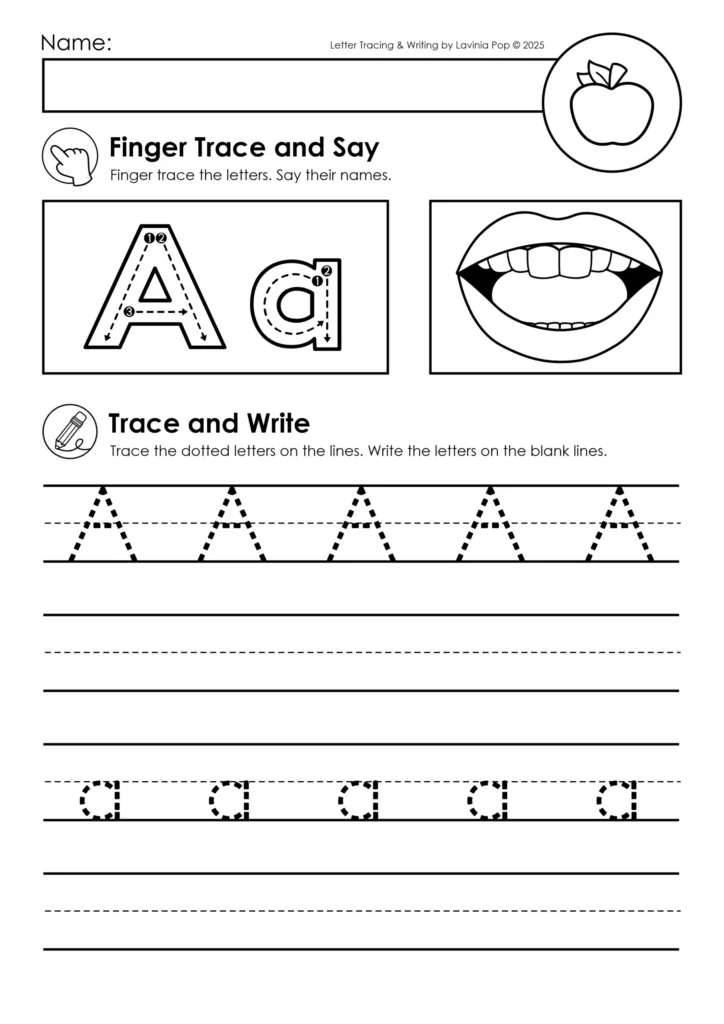
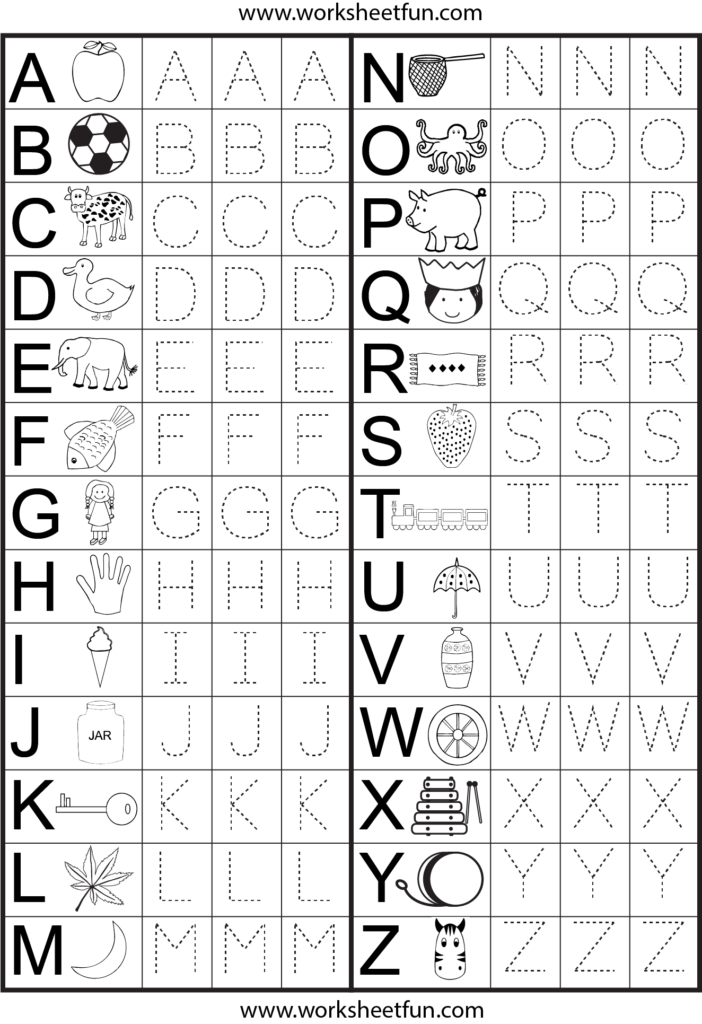
There are various types of activities included in kindergarten worksheets for letters. Tracing activities allow children to practice writing letters while improving their fine motor skills. These exercises often include dotted lines or arrows to guide young learners in forming letters correctly.
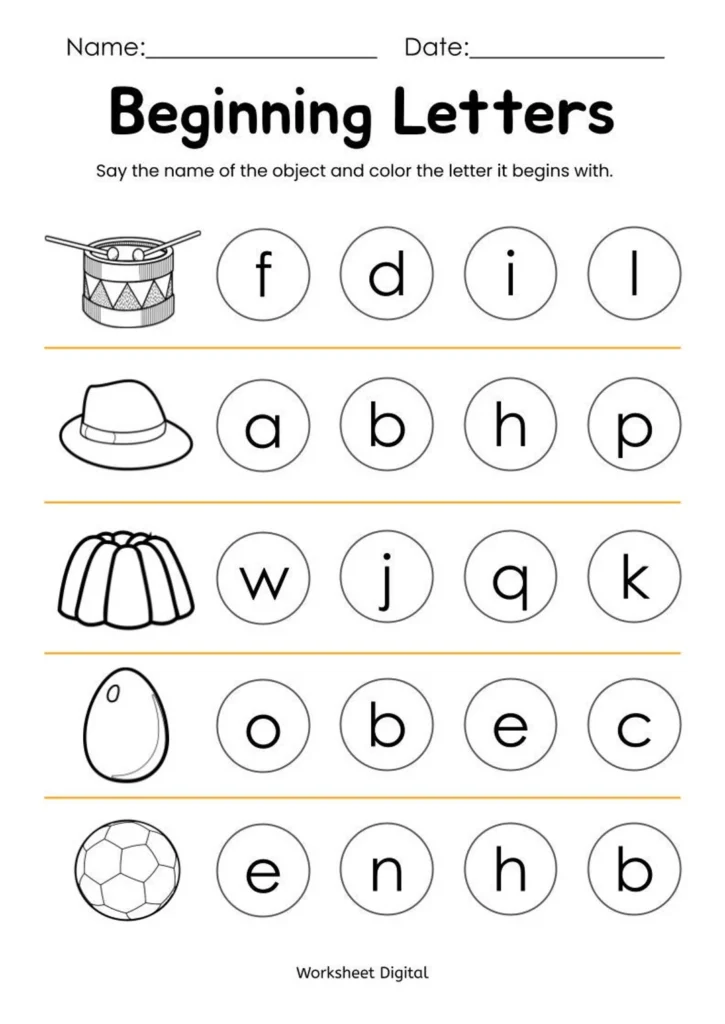
Another popular activity is letter matching, where children connect uppercase letters with their lowercase counterparts. This reinforces their understanding of letter pairs and helps them recognize letters in different contexts. Additionally, many worksheets include coloring activities that combine creativity with learning.
Tips for Using Letter Worksheets Effectively
To maximize the benefits of kindergarten worksheets for letters, parents and educators should consider a few key strategies. First, it’s important to create a consistent routine where children can practice regularly without feeling overwhelmed. Short daily sessions can be more effective than longer, infrequent ones.
Moreover, incorporating praise and rewards can motivate children to engage with the worksheets actively. Celebrating small achievements fosters a love for learning and encourages them to tackle more challenging tasks as they progress in their literacy journey.
Download Kindergarten Worksheets For Letters
Letter Practice Sheets
10 Printable Beginning Letters